
Factories, warehouses, logistics centres, and manufacturing plants in Sydney operate in demanding environments. Heavy machinery, constant equipment movement, chemical exposure, and weather conditions can slowly damage building surfaces.
Walls, structural steel, metal equipment, and concrete floors all require proper protection to prevent corrosion, deterioration, and costly repairs. This is why industrial painting plays a critical role in maintaining industrial facilities.
Unlike residential or office painting, industrial painting focuses on durability and protection. The coatings used in these environments are designed to resist moisture, chemicals, abrasion, and heavy usage.
Many facility managers and project engineers search for industrial painters in Sydney when planning maintenance work or preparing new industrial buildings.
This article explains how protective coatings work, why they are essential in industrial environments, and what decision-makers should consider before hiring contractors.
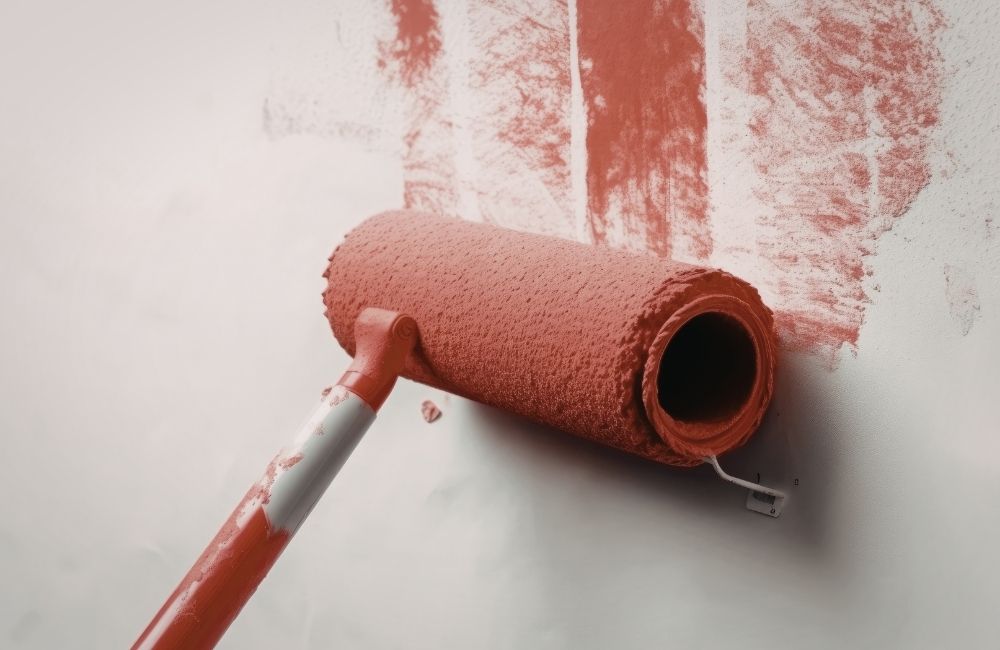
Why Industrial Painting Is Essential for Sydney Facilities
Industrial facilities in Sydney face several environmental challenges that can damage surfaces over time.
Coastal areas experience salty air that can accelerate metal corrosion. Inland industrial zones often deal with dust, heat, and heavy mechanical activity.
Without proper coatings, surfaces can deteriorate quickly.
Industrial painting helps protect buildings and equipment from these problems.
Protective coatings can help:
- Prevent rust and corrosion on metal structures
- Protect concrete floors from chemical spills
- Extend the lifespan of factory infrastructure
- Improve workplace safety and visibility
- Reduce long-term maintenance costs
For many facilities, protective coatings are not just a visual upgrade. They are a necessary part of industrial maintenance.
What Makes Industrial Painting Different
Industrial painting is very different from residential or commercial painting.
In homes or offices, paint is mainly used for decoration and general protection.
Industrial coatings must perform in harsh working conditions.
Industrial painting projects often involve:
- Structural steel beams
- Storage tanks
- Machinery surfaces
- Factory walls
- Warehouse floors
- Industrial pipelines
These surfaces require specialised coatings designed to resist chemical exposure, friction, and extreme temperatures.
This type of work requires experienced contractors who specialise in industrial painting in Sydney and understand the unique needs of industrial facilities.
Protective Coatings Used in Industrial Facilities
Protective coatings are the most important element of industrial painting. Different environments require different types of coatings.
The goal is to create a protective barrier that prevents damage from moisture, chemicals, and mechanical wear.
Several types of coatings are commonly used in industrial buildings.
Epoxy Coatings
Epoxy coatings are widely used in factories and warehouses because they provide excellent durability.
They create a hard surface that can withstand heavy equipment, forklifts, and constant foot traffic.
Epoxy coatings are often used on:
- Concrete floors
- Industrial walls
- Storage areas
- Production facilities
Benefits of epoxy coatings include:
- Strong resistance to chemicals
- High durability under heavy traffic
- Smooth, easy-to-clean surfaces
- Long-lasting protection
Because of these benefits, epoxy coatings are common in manufacturing plants and logistics centres.
Polyurethane Coatings
Polyurethane coatings offer excellent resistance to sunlight and weather.
They are commonly used on exterior metal structures and industrial equipment.
These coatings offer:
- UV resistance
- Strong weather protection
- Flexible coating that resists cracking
- Long-lasting colour stability
Industrial facilities with outdoor equipment often rely on polyurethane coatings to protect exposed surfaces.
Anti-Corrosion Coatings
Metal structures are common in industrial buildings. Steel beams, pipelines, and storage tanks are especially vulnerable to corrosion.
Anti-corrosion coatings are designed to stop rust from forming.
These coatings help protect:
- Structural steel frames
- Industrial storage tanks
- Processing equipment
- Metal staircases and platforms
In coastal areas around Sydney, corrosion protection becomes even more important because salt in the air can accelerate rust formation.
Fire-Resistant Coatings
Some industrial buildings require fire protection systems.
Fire-resistant coatings help protect steel structures during high temperatures by slowing down heat transfer.
These coatings are often used in facilities such as:
- Manufacturing plants
- Energy facilities
- Chemical processing sites
Fire- resistant coatings provide additional safety for buildings with fire risks.
Industrial Painting for Factories
Factories operate under heavy workloads and harsh environmental conditions.
Machines run continuously, equipment moves throughout the building, and surfaces are exposed to oils, chemicals, and heat.
Protective coatings help maintain safe and efficient working environments.
Factory painting projects may involve:
- Production floor coatings
- Machinery protection coatings
- Structural steel painting
- Interior wall coatings for industrial areas
Durable coatings reduce surface damage and make cleaning easier in production environments.
Another important benefit is safety. Many factory floors require line markings and safety zones.
These markings help guide workers and equipment safely through busy production areas.
Warehouse Painting and Surface Protection
Warehouses are critical components of Sydney’s logistics network. These facilities store goods, manage inventory, and support distribution across the region.
Because warehouses handle constant movement of forklifts, pallets, and machinery, surfaces must be highly durable.
Protective coatings are used to strengthen warehouse surfaces and maintain a safe environment.
Common warehouse painting projects include:
- Concrete floor coatings
- Wall protection coatings
- Loading dock painting
- Safety line marking on floors
Floor coatings are particularly important because warehouse floors are subject to constant mechanical stress.
Durable coatings help prevent cracking, dust formation, and surface wear.
Safety markings also improve operational efficiency by defining equipment lanes, storage areas, and pedestrian walkways.
Painting for Industrial Facilities and Plants
Industrial plants often operate with strict safety and operational requirements.
These facilities may include manufacturing plants, processing facilities, or energy production sites.
Painting in these environments requires careful planning and coordination.
Surfaces that often require protective coatings include:
- Processing equipment
- Structural steel frames
- Industrial tanks and pipelines
- Safety barriers and railings
- External building surfaces
Protective coatings extend equipment lifespan and help maintain structural integrity.
Many industrial facilities schedule painting projects as part of regular maintenance programs.
This approach prevents surface deterioration and avoids expensive structural repairs later.
Surface Preparation in Industrial Painting
Preparation is one of the most important steps in industrial painting.
If surfaces are not prepared correctly, coatings may fail quickly.
Preparation methods depend on the surface type and environment.
Common preparation techniques include:
- High-pressure washing
- Abrasive blasting to remove rust
- Surface grinding for concrete floors
- Degreasing metal surfaces
- Repairing cracks or damaged areas
Industrial painters carefully prepare surfaces so coatings bond properly and provide long-term protection.
Safety Considerations in Industrial Painting
Industrial facilities often involve hazardous environments, heavy equipment, and restricted access areas.
For this reason, safety is a critical part of industrial painting projects.
Professional industrial painting contractors in Sydney follow strict safety procedures while working in these environments.
These procedures may include:
- Use of protective equipment
- Safe scaffolding systems
- Proper ventilation during coating application
- Compliance with workplace safety regulations
- Clear communication with facility managers
These safety practices protect workers and prevent disruptions to industrial operations.
When Industrial Facilities Should Repaint
Protective coatings do not last forever. Over time, coatings may wear down due to mechanical stress or environmental exposure.
Facilities should inspect surfaces regularly for signs of damage.
Common signs that repainting may be needed include:
- Rust appearing on metal structures
- Cracks in floor coatings
- Peeling or blistering paint
- Chemical stains on surfaces
- Surface dust forming on concrete floors
Regular maintenance painting helps prevent major damage and keeps facilities operating safely.
Why Professional Industrial Painting Matters
Industrial painting projects require specialised skills, equipment, and coatings.
Professional contractors understand how to handle complex surfaces and challenging environments.
Experienced industrial painters can:
- Select the right protective coatings
- Prepare surfaces properly
- Apply coatings safely and efficiently
- Minimise disruption to facility operations
This ensures the coatings perform as intended and provide long-term protection.
Work With Reliable Industrial Painting Experts in Sydney
Industrial facilities require strong, durable coatings that protect buildings and equipment from harsh conditions.
Hiring experienced contractors ensures that coatings are applied correctly and perform effectively for many years.
If your factory, warehouse, or industrial facility needs protective coatings or maintenance painting, working with a trusted team is essential.
A1 Painting Co. provides professional industrial painting services across Sydney for factories, warehouses, and industrial facilities. Their experienced team uses high-performance coatings and proven preparation techniques to deliver durable results.
Contact A1 Painting Co. to request a free quote for your industrial painting project in Sydney.